
Experienced mountain athletes who already shop at Sportler often notice that not every location feels the same. Some stores lean heavily into trekking and skiing, others seem built almost entirely around bikes, and the product depth shifts accordingly. Understanding the different Sportler store types helps explain why one visit turns up a wall of technical shells while another trip is all frames and components. This matters most to athletes who want specialized advice rather than a generic sporting goods counter.
The Alpine Flagship Store Experience: What Sets These Locations Apart
Sportler describes itself as “Best in The Alps,” and its largest locations are where that claim shows up most clearly. These stores carry trekking, skiing, running, cycling, and fitness assortments side by side, rather than favouring one discipline. The breadth signals an approach to mountain sports as a connected set of activities, not separate silos.
Staff inside these larger Sportler locations typically field questions across several categories in the same shift, since the floor itself is organized to serve climbers, skiers, runners, and cyclists together. That structure is one of the clearest ways to tell these It store types apart from smaller branches built around a narrower slice of the range. Shoppers moving between aisles will notice the difference in shelf space almost immediately.
Sportler’s Multi-Sport Flagships: Comprehensive Coverage Across Trekking, Skiing, Running, and Cycling
Beyond the largest format, many Sportler locations still cover trekking, skiing, running, and cycling together on a more contained scale. The same categories listed on the brand’s own site, trekking, skiing, running, cycling, and fitness, repeat across these stores, just with less floor space devoted to each one.
For an athlete who moves between disciplines depending on season, a location like this offers a practical single stop. Trekking poles bought in summer and a ski setup sourced in winter can both come from the same branch. That continuity means not having to relearn a different retailer’s layout every time the season changes.
Specialized Cycling Retail at Dedicated Sportler Bike Locations
Cycling occupies a distinct position within the wider range, and some locations concentrate specifically on bikes and cycling equipment. These stores narrow their focus instead of spreading across every discipline the brand lists. The result is deeper attention to cycling product lines, rather than a shelf shared with trekking boots or ski jackets.
This split between general mountain sports retail and cycling-only retail reflects how differently the two are shopped. Bike owners often return for components, parts, or seasonal upgrades, while a trekking or running purchase is more occasional. Recognising that difference is useful before walking into a store expecting a full mountain sports assortment when it is really a bike specialist.
Regional Distribution: How Sportler’s Store Network Spans the Alps and Beyond
Sportler positions itself explicitly around the Alpine region, and its spread of locations follows that identity. Stores sit across Alpine towns and surrounding areas, giving access to both larger multi-sport locations and narrower cycling-focused ones depending on where someone happens to be. This spread underpins the brand’s own description of itself as best positioned within the Alps.
- Larger, broader-assortment locations sit in spots chosen to cover trekking, skiing, running, cycling, and fitness together.
- More compact multi-sport branches extend that same category mix into additional towns beyond the largest stores.
- Cycling-focused locations occupy their own spots within the network, separate from the general multi-sport branches.
- Together, this distribution lets the network reach skiers, trekkers, runners, and cyclists across a wide stretch of Alpine and nearby territory.
Bike Fitting Technology and Expert Consultation at Sportler Locations
Cycling-focused stores differ from multi-sport branches mainly in how concentrated their range is, rather than in one single added feature. A cyclist walking into a bike-focused store meets a narrower but deeper selection of frames, components, and riding apparel than a trekking or running shopper would ever need to browse. That concentration is the practical reason this kind of store exists as its own format within the network.
Shoppers comparing these Sportler store types notice the difference in how much floor space cycling occupies relative to other disciplines. A multi-sport branch splits attention across trekking, skiing, running, and fitness alongside bikes, which limits how deep any one category can go. The cycling-focused format removes that trade-off for people shopping specifically for a bike.
Finding the Right Store Type for Your Specific Mountain Sport
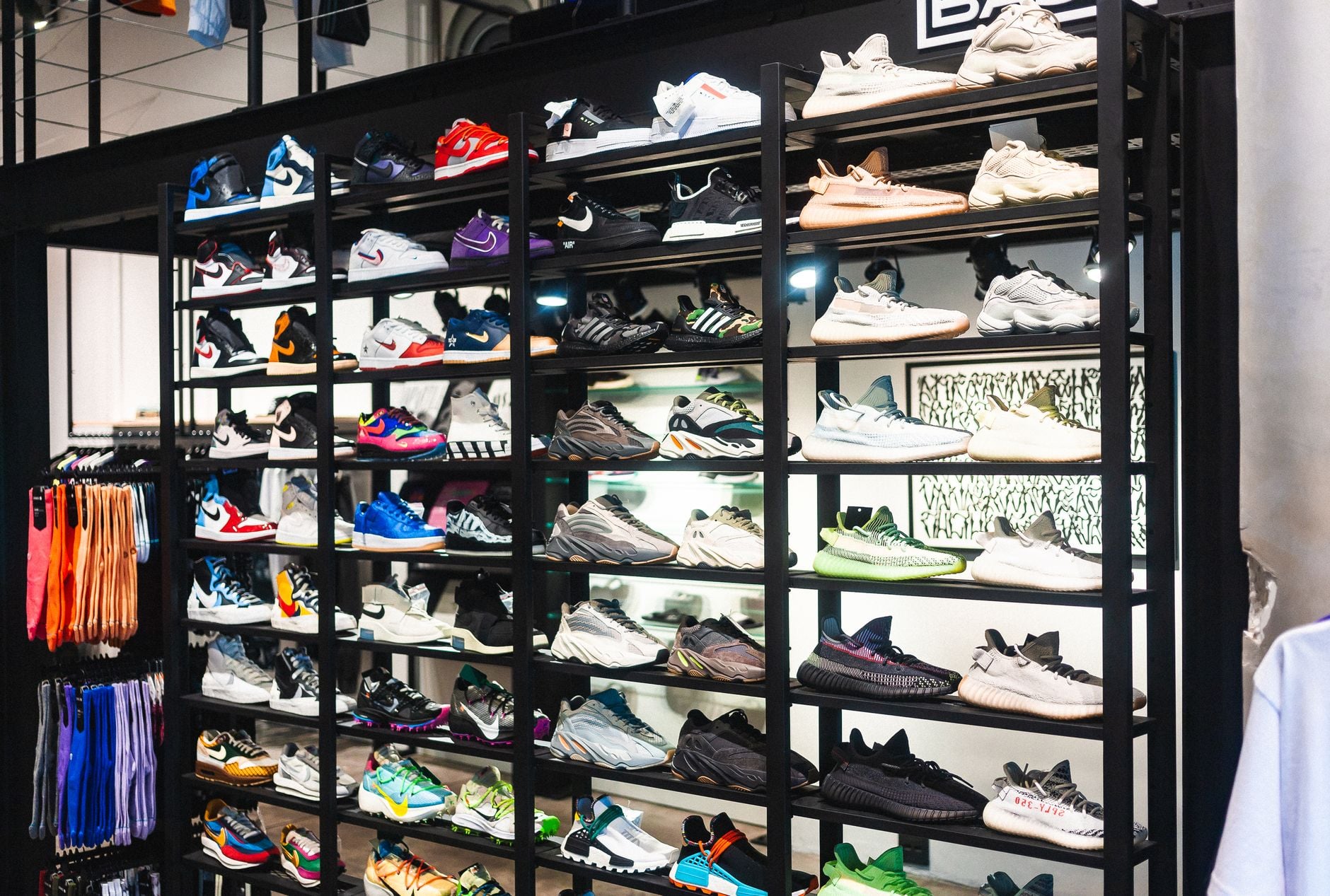
Matching a visit to the right format starts with knowing what each one actually offers. Larger, broad-assortment stores suit a trip that spans trekking, skiing, running, and cycling needs in one stop. Smaller multi-sport branches cover similar ground on a more contained scale, while cycling-focused stores serve people shopping purely for bikes.
Thinking about the specific discipline in question, whether trekking, skiing, running, or cycling, helps narrow which of the Sportler store types fits best for a given trip. The network’s spread across the Alps and nearby regions means more than one format is often reachable in the same general area. That range of formats is what separates this kind of mountain sports retail from a single uniform store trying to do everything at once.
What stays constant across the network is the pairing of broad category coverage with sharper, bike-specific depth where it counts.