


Modern driving is no longer defined only by performance and comfort. Digital connectivity now plays a central role in how drivers interact with their vehicles, plan journeys, and stay entertained on the road. As smartphones have become central to daily life, expectations around in car technology have shifted toward seamless integration, intuitive controls, and reliable performance.
Ottocast operates in this space by focusing on solutions that bridge the gap between personal devices and vehicle infotainment systems. The goal is simple but demanding, to make in car connectivity feel natural rather than forced. This approach reflects a wider trend where drivers want technology that enhances the experience without creating distraction or complexity.
TL;DR
This blog explores how Ottocast fits into the changing world of in car connectivity, focusing on ease of use, compatibility, and everyday practicality. It looks at why seamless smartphone integration matters, what drivers expect from modern infotainment solutions, and how thoughtful technology design improves the driving experience over time.

Why Seamless Connectivity Matters On The Road
Connectivity in a vehicle is no longer a luxury. Navigation, communication, and media access are now basic expectations for many drivers. When systems work smoothly, they reduce friction and help drivers stay focused on the road.
Poor integration can have the opposite effect. Lagging interfaces, limited compatibility, or complex setup processes can quickly become frustrating. This is why plug and play simplicity has become a priority in automotive tech.
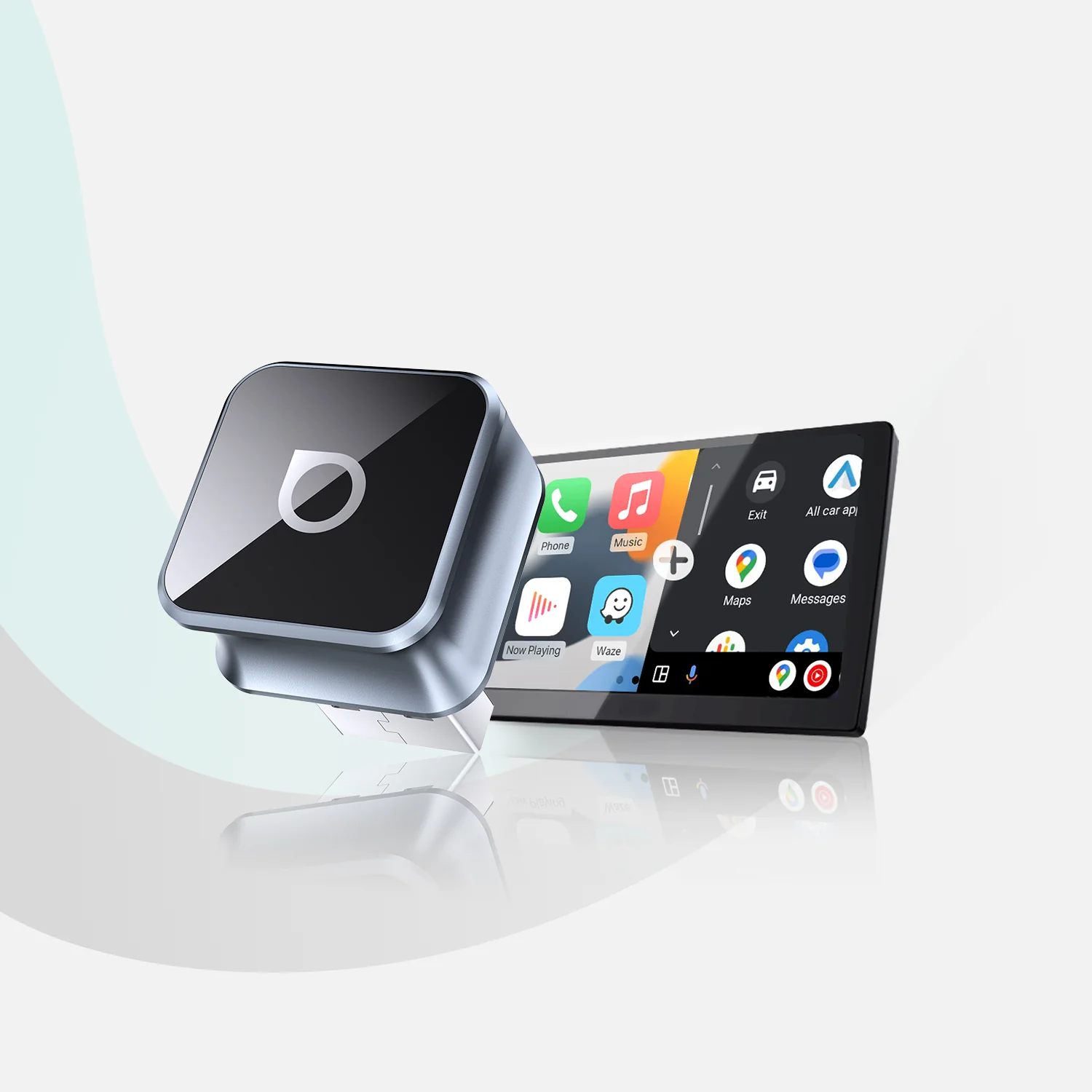
Ottocast aligns with this demand by addressing common pain points around smartphone connectivity. The emphasis is on making the transition from phone to dashboard as smooth as possible, supporting a more intuitive driving environment.

The Shift Toward Wireless In Car Solutions
Wired connections once dominated in car technology. While functional, cables add clutter and limit convenience. Wireless solutions have emerged as a response to this inconvenience, offering greater freedom and flexibility.
Wireless integration supports cleaner interiors and quicker setup. Drivers can enter the car and connect automatically, without handling cables or adjusting settings every time.
Ottocast reflects this shift by focusing on wireless functionality that works consistently. Reliability is key, as drivers expect the system to perform the same way every journey.
What Drivers Expect From Modern Connectivity Tools
- Quick setup without technical knowledge
- Broad compatibility across vehicle systems
- Stable performance during navigation and calls
- Minimal distraction while driving
- Clean integration with existing infotainment screens
Practical Benefits Beyond Convenience
While convenience is often the headline benefit, effective in car connectivity also supports safety and efficiency. Hands free access to calls and messages reduces the need to interact directly with a phone.
Integrated navigation helps drivers adapt to changing routes without pulling over or checking separate devices. Media control through the dashboard keeps attention where it belongs.
Ottocast solutions are positioned around these practical outcomes. The focus is not on adding unnecessary features but on refining the essentials that drivers rely on daily.
Compatibility And Long Term Usability
One of the challenges in automotive technology is compatibility. Vehicles remain on the road for many years, while mobile technology evolves rapidly. Drivers want solutions that do not become obsolete quickly.
Compatibility across different models and systems increases the lifespan of in car tech investments. This also reduces the need for frequent upgrades or replacements.
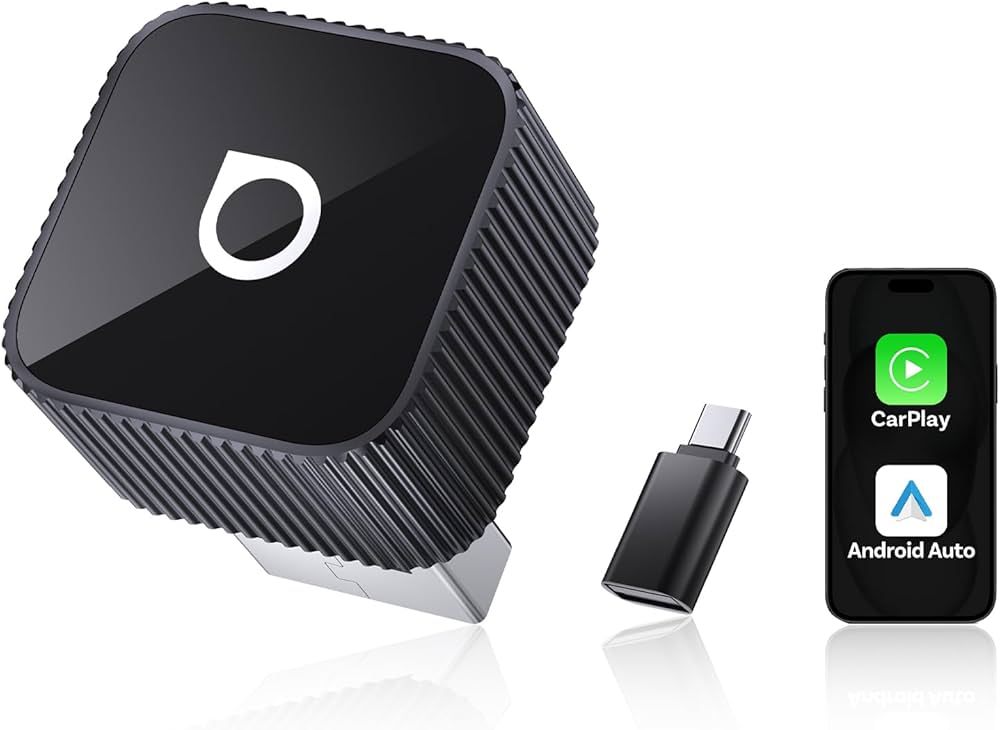
Ottocast addresses this concern by prioritising adaptability and system support. This approach helps ensure continued usability even as devices and software change.
Enhancing The Everyday Driving Experience
Small improvements can make a noticeable difference in daily driving. Faster connections, smoother interfaces, and reliable performance contribute to a calmer and more enjoyable journey.
For commuters, these benefits add up over time. For longer trips, they can reduce fatigue and improve overall satisfaction.
Ottocast fits into this everyday context by focusing on consistency. The technology is designed to work in the background, supporting the drive without demanding constant attention.

A Balanced Approach To In Car Technology
Not every driver wants the most complex or feature heavy system. Many prefer solutions that do a few things well rather than many things poorly. Simplicity and reliability often matter more than novelty.
This balanced approach is increasingly valued as vehicles become more technologically dense. Drivers appreciate tools that integrate smoothly instead of competing for attention.
Ottocast reflects this philosophy by refining core connectivity functions. The result is technology that feels supportive rather than intrusive.

Making Smarter Choices In Automotive Tech
Choosing in car technology involves more than checking specifications. Real world performance, ease of use, and long term reliability all influence satisfaction.
Drivers benefit from solutions that respect their time and attention. Technology should enhance the journey, not complicate it.
Ottocast positions itself within this mindset by focusing on practical integration and user centred design. For drivers seeking dependable connectivity, this approach supports confident decisions and a better overall driving experience.