




P&O Ferries is a long-established British ferry operator with a proud maritime heritage dating back to 1837. It now connects the UK with Continental Europe and Northern Ireland, offering passenger and freight services across the English Channel, North Sea, and Irish Sea.
This is an independent overview and not affiliated with P&O Ferries.
Summary
- Origins trace back to 22 August 1837; over 180 years of maritime history.
- Operates UK–Europe ferry routes (Dover-Calais, Hull-Rotterdam, Cairnryan-Larne) with modern, eco-friendly vessels.
- Fleet includes innovative double-ended hybrid ferries (P&O Pioneer, Liberté) and Spirit-class ships built for environmental efficiency.
- Recent route closure: ending Teesside–Zeebrugge after over 30 years, reducing passenger services to three core routes.
- Controversies: 2022 mass firing of 800 staff without notice, sparking public backlash and new proposed UK seafarer protections.
- Latest financial developments: KPMG resigned as auditor in early 2025 due to delayed reporting, flagging governance concerns.
Hull–Rotterdam Overnight Ferry
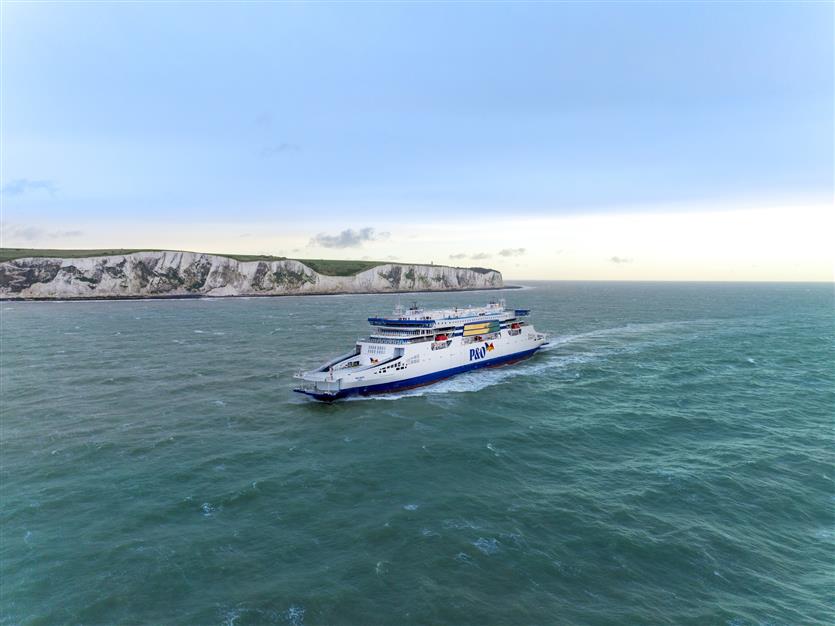
- What it is: An overnight ferry route between Hull and Rotterdam offering cabins, entertainment, dining, cinema, decks, and pet-friendly options.
- Why we recommend it: Combines practical transport with holiday-style onboard leisure—ideal for families, couples, or pet owners.
- Pros & Cons:
- Pros: Spacious cabins, diverse entertainment, brings your car, pet-friendly.
- Cons: Slower than fly/drive alternatives; availability may drop outside peak season.
- Book a scenic overnight cruise across the North Sea for comfort and style.
Dover–Calais Cross-Channel Ferries
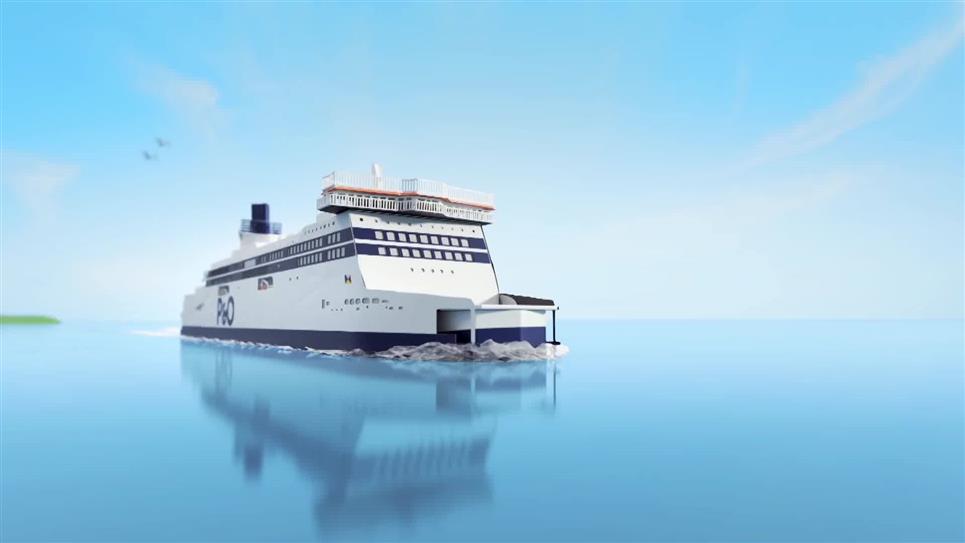
- What it is: Fast, frequent ferries between Dover and Calais using Spirit-class ships (fuel-efficient, safe-return technology) and Fusion-class hybrids (Pioneer & Liberté).
- Why we recommend it: Highly efficient, environmentally progressive, and frequent—great for short crossings with high reliability.
- Pros & Cons:
- Pros: Eco-conscious design, safety-first innovations, up to 11 departures per day, flexible scheduling.
- Cons: Can be pricier than budget transport options; may be affected by cross-Channel traffic and weather.
- Choose a sustainable, dependable crossing on the cutting edge of ferry design.
Final Thoughts
P&O Ferries offers two strong propositions: an enjoyable mini-cruise experience on the Hull–Rotterdam route, and super-efficient short crossings on high-tech Dover–Calais ships. While its enduring heritage and fleet modernisation are strengths, recent controversies—like that of employment practices and financial governance—have raised concerns. Still, for travellers looking for a comfortable, vehicle-friendly crossing with onboard amenities, P&O Ferries remains a prominent choice, especially for those prioritising comfort or innovation.
FAQs
Q: Which routes does P&O Ferries currently operate?
A: They operate passenger routes for Dover–Calais, Hull–Rotterdam, and Cairnryan–Larne—Teesside–Zeebrugge ended in mid-August 2025.
Q: What makes their new ferries special?
A: Spirit-class vessels meet top safety and efficiency standards, and Fusion-class ships (Pioneer, Liberté) are double-ended hybrid ferries with low emissions and efficient docking.
Q: What was the 2022 staff dismissal controversy about?
A: In March 2022, P&O fired 800 crew members without warning via video and text, replacing them with cheaper agency staff—prompting backlash, union action, and calls for legislative reform.
Q: Why did KPMG resign as auditor in 2025?
A: Due to late filing of financial accounts and inability to complete the audit to required standards within P&O’s timeline.


