


Emergency situations rarely provide warning, and the ability to respond with confidence can make a measurable difference. Learning lifesaving skills is not only relevant for healthcare professionals, it is equally valuable for workplaces, families, and individuals who want to be prepared. A structured learning approach helps remove uncertainty and replaces panic with clear, repeatable actions.
CPRAED Course focuses on accessible education that prioritizes clarity, accuracy, and practical application. The learning experience is designed to build confidence through straightforward instruction rather than overwhelming theory. By emphasizing real-world scenarios, the program supports learners who want dependable knowledge they can recall under pressure.
This blog explores how structured CPR and AED education supports real life emergency response, why accessible learning matters, what learners should expect from quality training, and how consistent practice builds long term readiness for individuals and organizations.
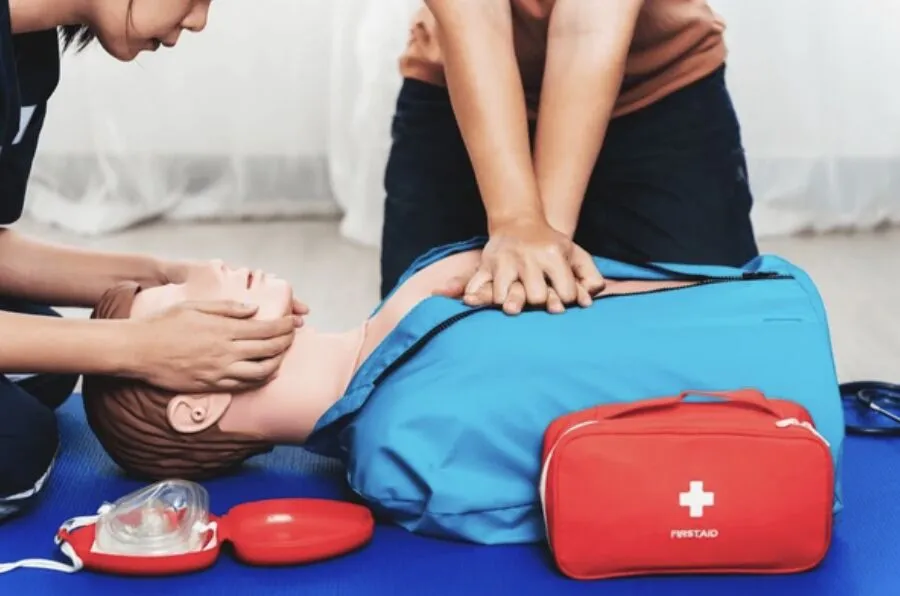
Why CPR and AED Knowledge Matters
Emergencies involving cardiac arrest demand immediate action. Waiting for professional responders without attempting intervention can significantly reduce survival outcomes. This reality underscores the importance of accessible training that teaches people how to recognize an emergency and respond decisively.
Quality education emphasizes recognition, response, and repetition. Learners gain familiarity with the steps involved in CPR and AED use, which reduces hesitation during real events. Over time, this familiarity becomes confidence. When training is designed for clarity, it supports faster decision making and more effective intervention.
Programs that focus on practical outcomes often integrate scenario based learning. This approach helps learners visualize how emergencies unfold and how their actions fit into the response process. The result is training that feels relevant rather than abstract.

Designed for Learners at Every Level
One of the challenges in emergency training is accommodating different experience levels. Some learners may have prior medical knowledge, while others are starting from scratch. Effective programs create a balance by avoiding jargon while still maintaining professional standards.
CPRAED Course addresses this by structuring content into manageable sections that build on each other. Concepts are introduced clearly, then reinforced through repetition and practical examples. This allows learners to progress at a steady pace without feeling overwhelmed.
Accessibility also extends to learning formats. Flexible options support individuals who need to fit education around work or family commitments. When training adapts to the learner rather than the other way around, completion rates and knowledge retention improve.

What Learners Can Expect From Quality Training
A strong training experience prioritizes clarity, accuracy, and confidence building. Learners should come away knowing not just what to do, but why each step matters. This understanding supports better decision making when stress levels are high.
A single focused section can help summarize expectations clearly.
Key Elements of Effective CPR AED Training
- Clear explanations that avoid unnecessary medical language
- Step by step guidance that reinforces correct technique
- Scenario based examples that reflect real emergencies
- Emphasis on safety for both responder and victim
- Content designed to support long term recall
This type of structure ensures that learners can quickly revisit key concepts when needed. It also supports consistent standards across different audiences and settings.

Supporting Long Term Readiness
Training is most effective when it encourages ongoing awareness rather than a one time completion mindset. Skills such as CPR and AED use benefit from periodic refreshers and mental rehearsal. Programs that emphasize this perspective help learners remain prepared over time.
Confidence grows when learners trust their training. Knowing that content aligns with recognized guidelines builds credibility and reassurance. This trust encourages individuals to act rather than freeze during emergencies.
The presence of AEDs in public and workplace environments further increases the relevance of training. Understanding how to use these devices removes fear and uncertainty. When people know that AEDs are designed to guide users through the process, hesitation decreases.
Incorporating CPR AED certification into workplace safety plans or personal development goals reinforces its value. Repetition and reinforcement transform knowledge into instinctive response.

Choosing Training That Fits Real Needs
Selecting the right course involves more than checking a requirement box. Learners should look for programs that emphasize practical application and learner support. A clear structure, concise explanations, and realistic scenarios all contribute to better outcomes.
CPRAED Course positions itself as a solution for individuals and organizations seeking dependable education without unnecessary complexity. By focusing on essential actions and realistic expectations, it supports learners who want confidence rather than confusion.
Consistency across modules also matters. When information is presented logically, learners can build connections between concepts. This cohesion supports better recall during emergencies.
Using CPR AED certification as a foundation for broader safety awareness helps integrate these skills into daily life. Whether at work, at home, or in public spaces, preparedness becomes part of routine thinking.

Building Confidence Through Action
Emergency response skills are not about perfection, they are about readiness. Training that emphasizes action over theory helps learners trust themselves. This confidence is often what determines whether someone steps forward in a crisis.
CPRAED Course provides a framework that encourages this mindset. By focusing on clarity, repetition, and real world relevance, it supports learners who want practical skills that last. For individuals, teams, and organizations, investing in quality CPR AED certification is a meaningful step toward safer environments and more confident responses.
Preparedness is not about predicting emergencies, it is about being ready when they happen.